Lead Product Designer • Swirl Networks • 2018
The outcome: Hired into marketing. Ended up leading product design. Shipped the platform that turned Swirl from a beacons company into an in-store media network — and that the company was eventually acquired for.
The Challenge
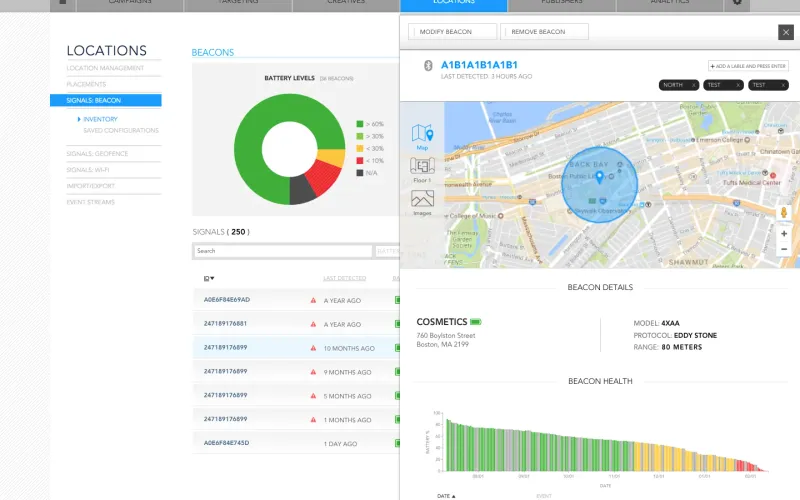
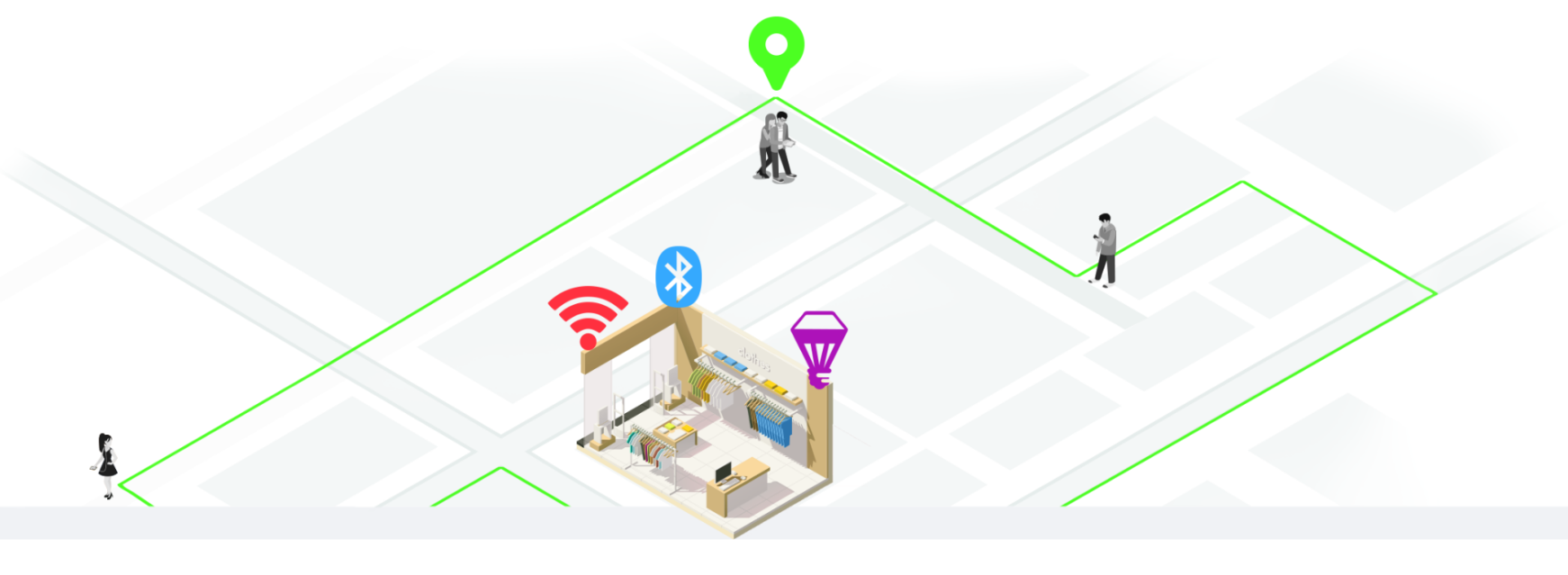
Swirl Networks was an in-store mobile marketing platform for large retailers. Bluetooth beacons and Wi-Fi sensors detected nearby phones; the platform fired personalized offers and product information to shoppers based on where they were standing in the store. Geofences picked them up before they walked in and after they left.
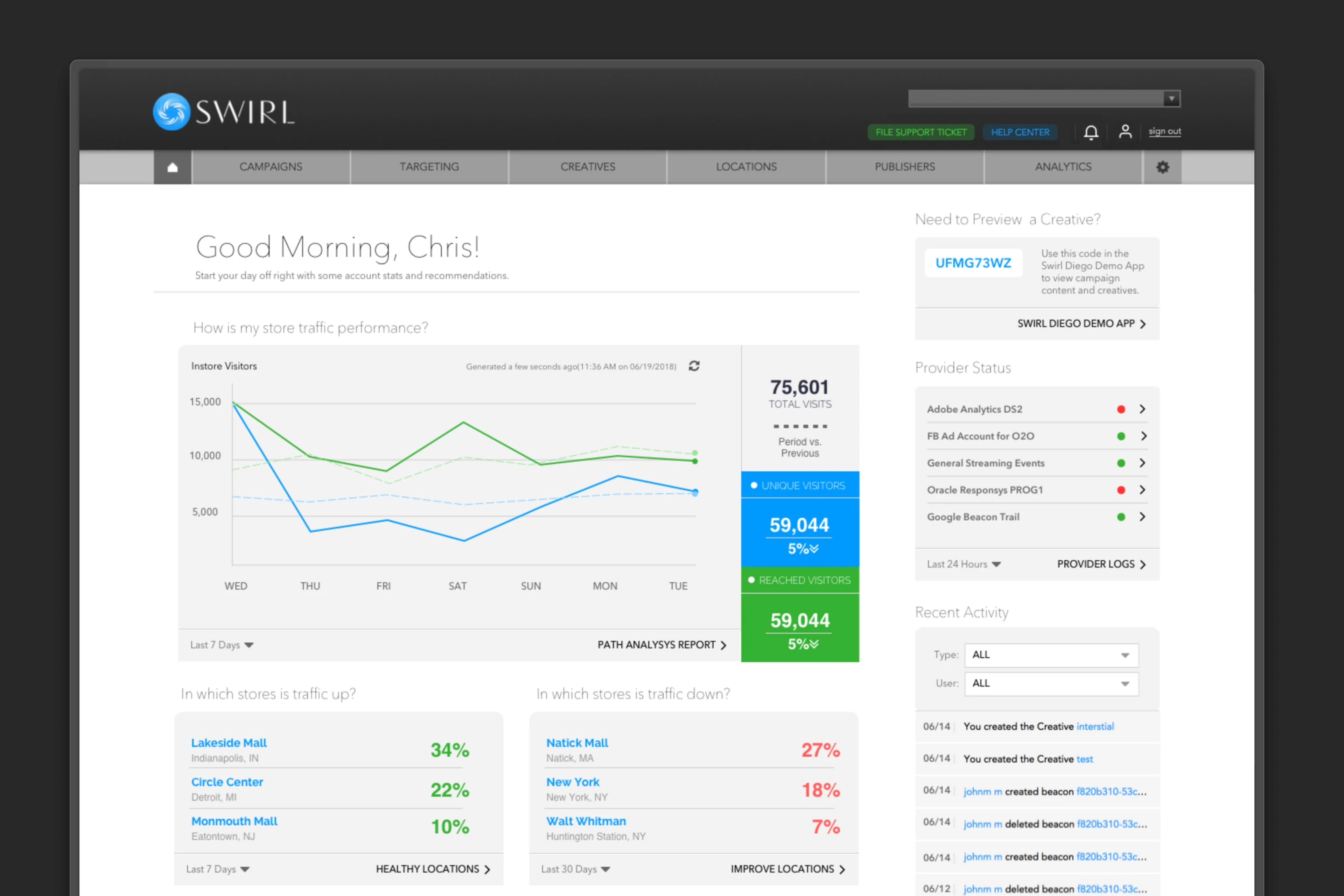
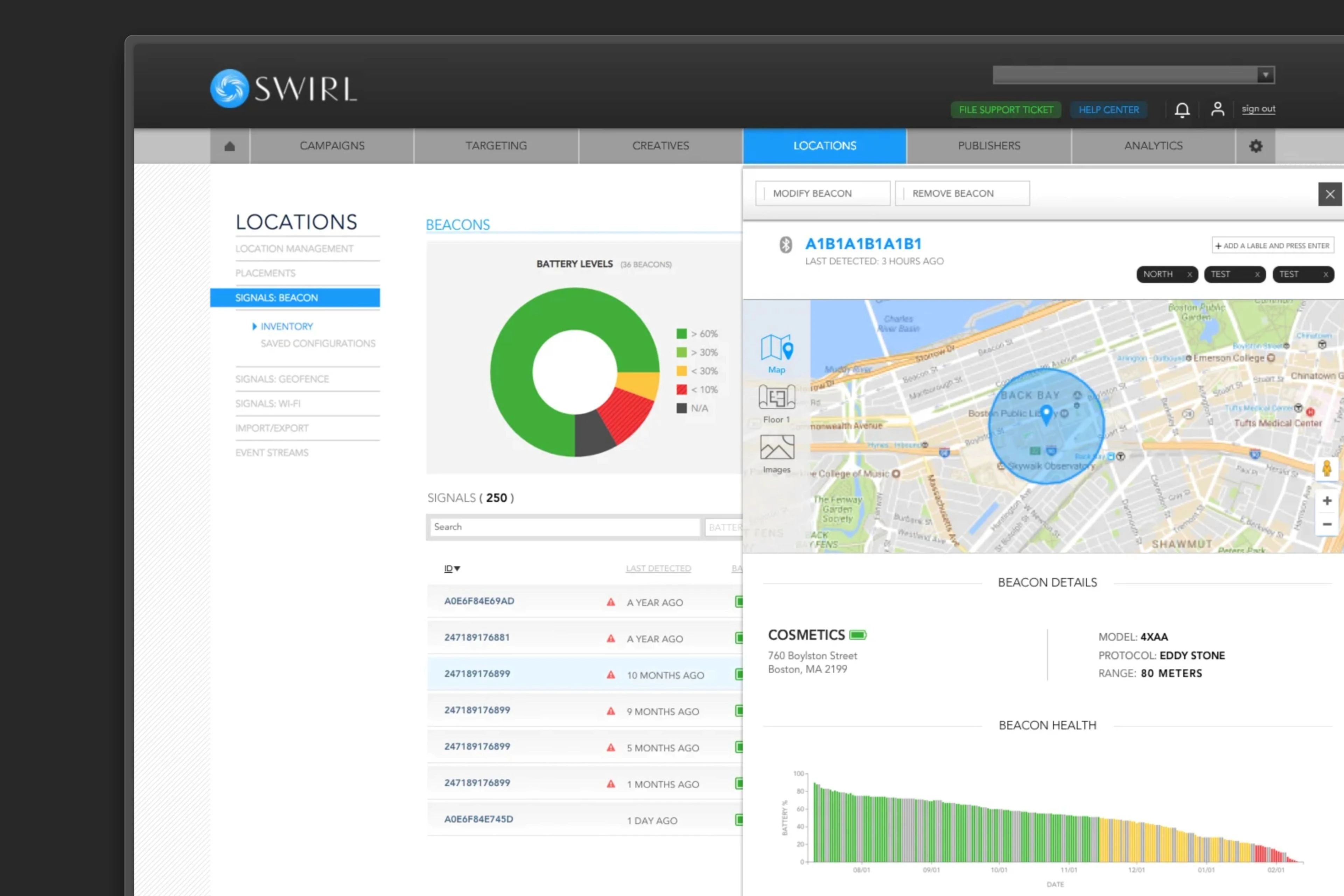
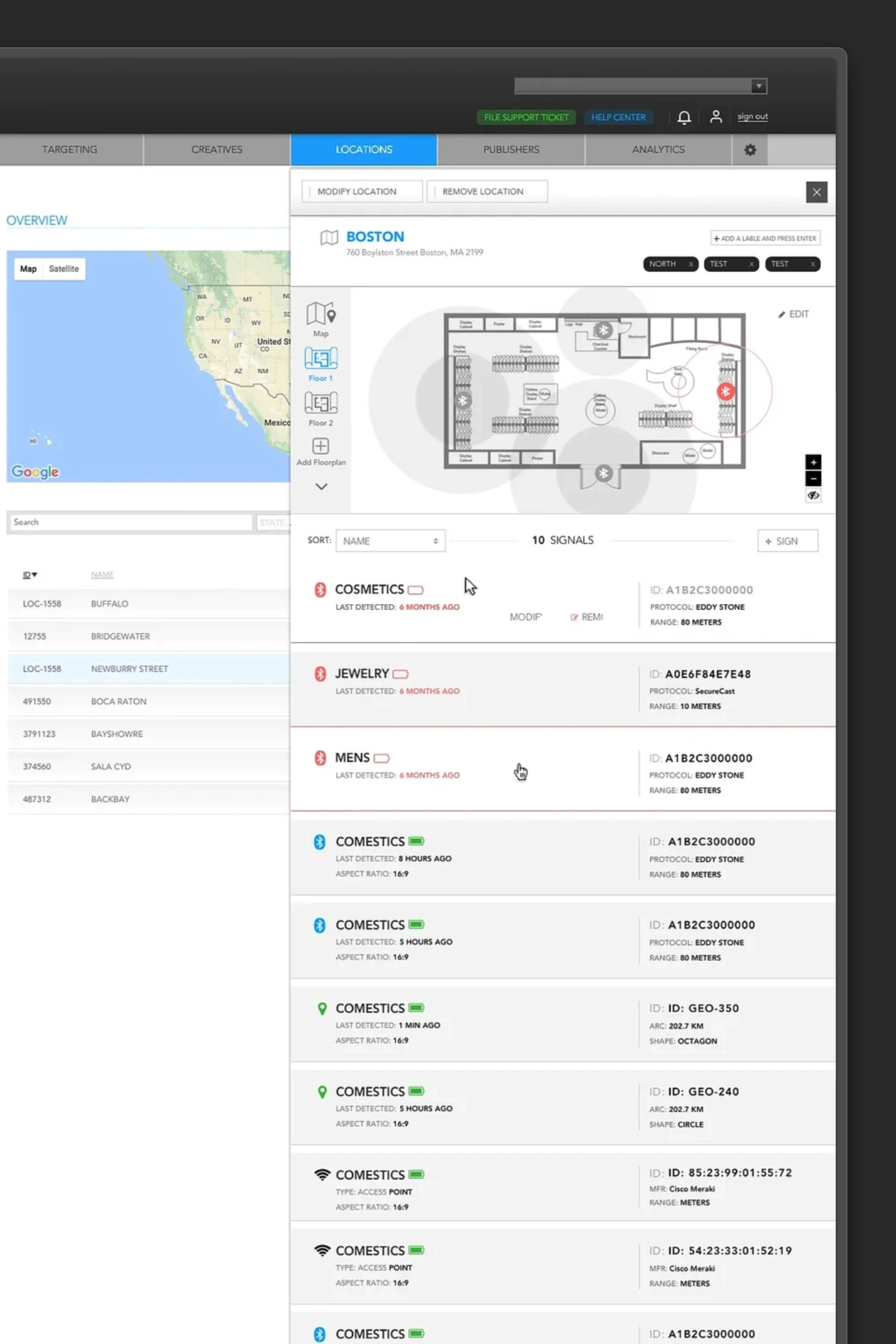
The Swirl Platform itself was the workspace — used by both agencies running national campaigns and in-store managers running ads for their own locations. Two very different audiences, one tool. Campaign builder, audience targeting, geofence editor, analytics, content management. A lot of surface area for a small team.
When the lead UX designer left, the entire design system left with him — locked inside a single Photoshop file. New projects piled up: an API connector tool, dynamic email reports with embedded charts, weather-triggered geotargeting, the Best Buy digital signage program. None of them could move, because nobody could build on top of a PSD without breaking it.
I was on the marketing side. The CPO asked me to take it on.
The Process
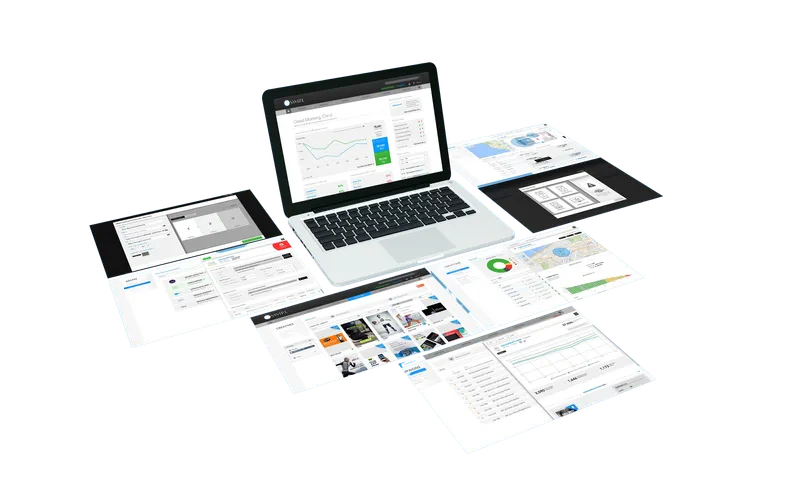
Foundation first. I didn’t crack open the PSD. I rebuilt the design system in Sketch, with proper symbols, shared text styles, and a hand-off pipeline through Abstract — and let the system grow alongside the work instead of stopping the world for a rewrite. The longer version of that decision is its own piece: Killing the master PSD.
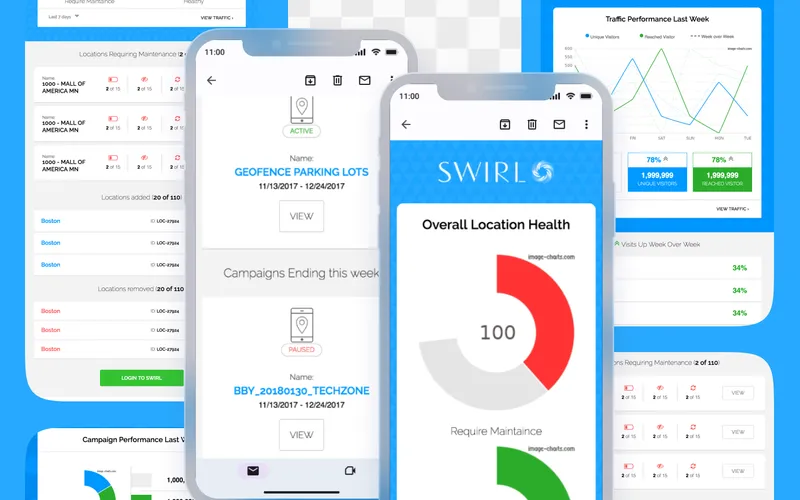
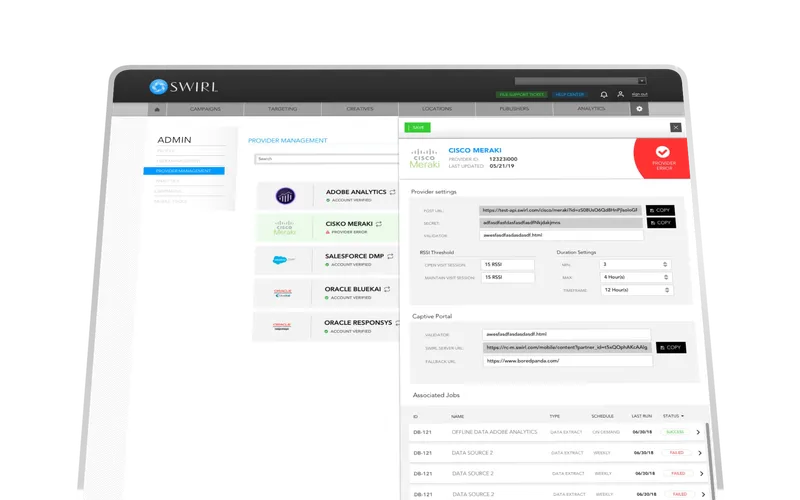
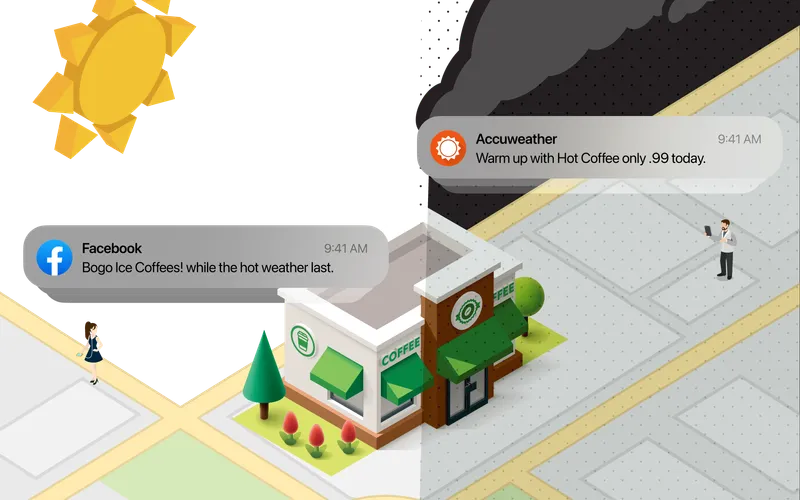
A connected workspace for marketers. Once the system was real, the four stalled projects started shipping. The spine was the campaign builder: pick an audience, draw a geofence, attach a creative, set a trigger. Things that had previously taken three different tools and a CSV export now lived in one flow. Weather targeting became a condition builder marketers could compose themselves. The API connector tool gave them a way to spot broken integrations without filing a ticket. And notification emails got treated as a product surface, not a chore.
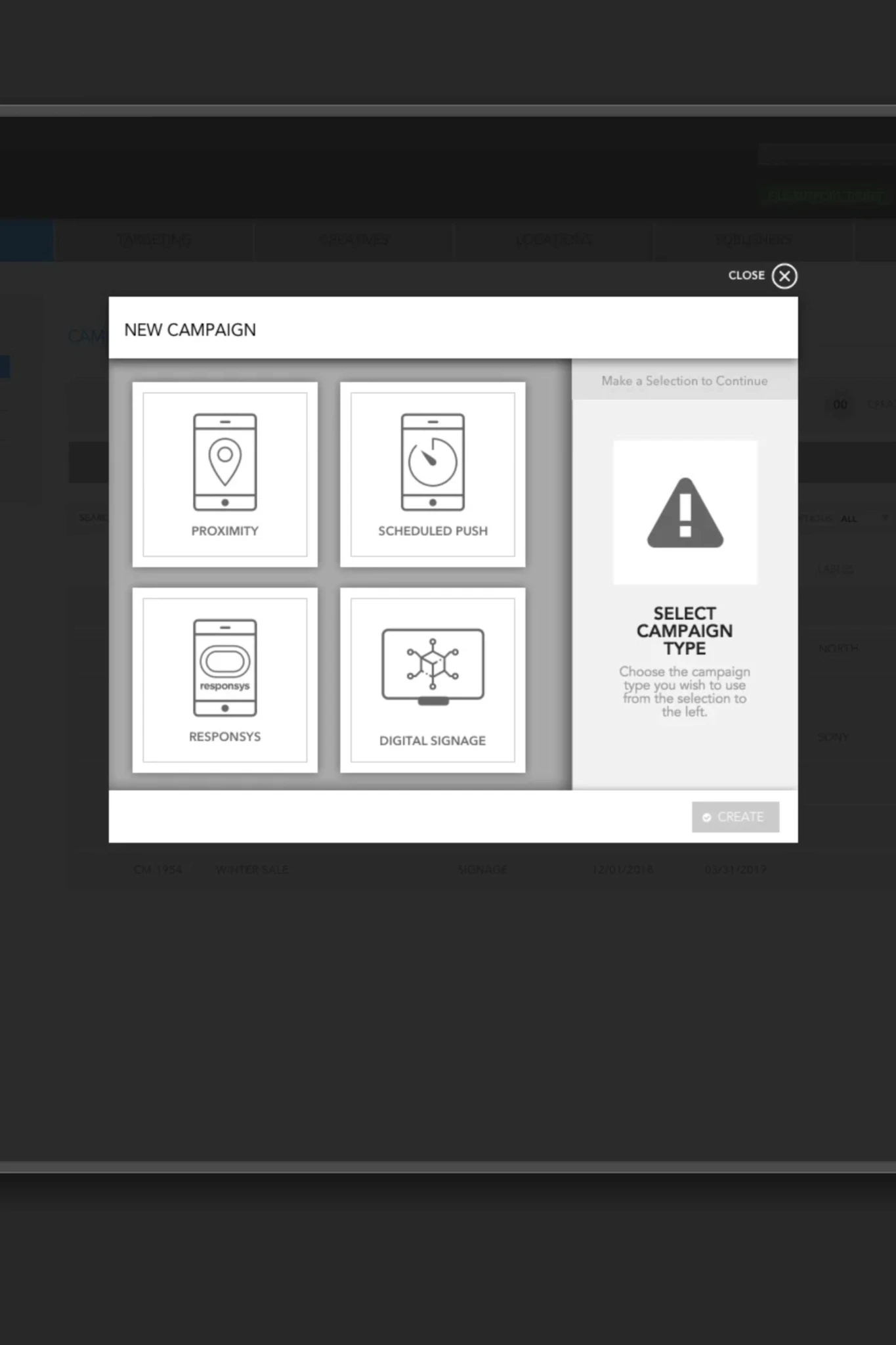
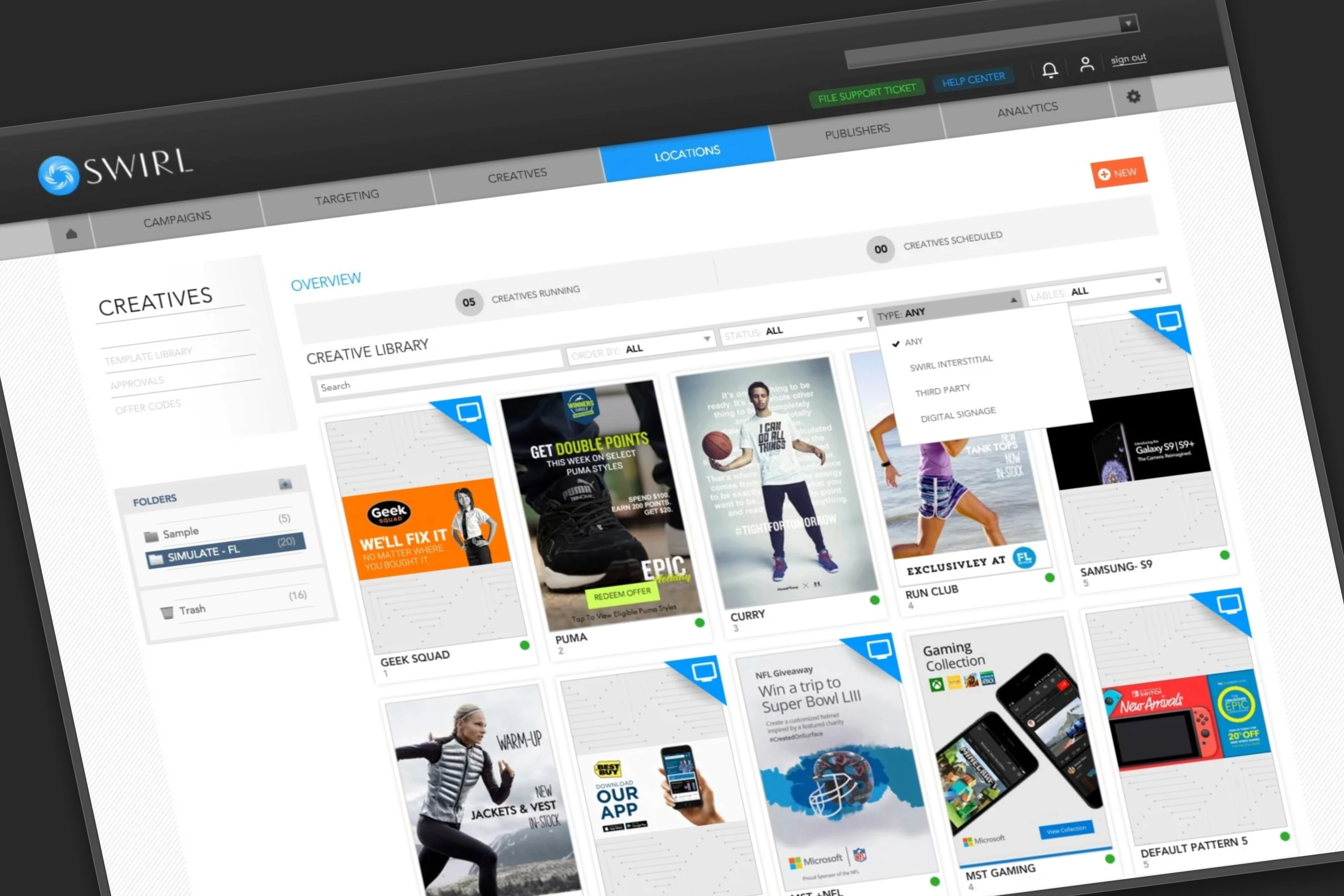
The Best Buy launch. The in-store digital signage program shipped with Best Buy as launch partner — a multi-tenant signage platform that paired phone notifications with the screens shoppers walked past. The design story behind that — and the line we deliberately wouldn’t cross on hyper-targeting — is here: Making every in-store screen presence-aware.
The Impact
Four major features shipped in two quarters that had been stalled for months. Marketers — agency planners and in-store managers — ran synchronized mobile and signage campaigns from one console. Brand partners got real measurement on in-store media for the first time.
Swirl Networks was eventually acquired by Best Buy. The platform we built during that stretch is what the acquisition was for.
Reflection
Two things I took with me. Stepping up rarely happens with a title — I was hired to make marketing assets; the lead role was never offered. Doing the work was the title. And the foundation decides what’s possible later — every shippable project that year was downstream of the call to throw out the PSD and build a real system instead.
The kicker: the CPO who hired me at Swirl brought me on again as a contractor at Genscape, and then again at Thought Industries. The strongest signal that the work landed was getting the second and third invitations.
Lead Product Designer • Swirl Networks • 2018
Projects
Treating notification emails like a product surface
Notification emails became a feature instead of a chore — MJML, Image Charts API for live data, and click-through that landed on matching console views.
An inspector for marketer-owned API connections
A UI for marketers managing beacon hardware and data-partner connections — surfacing provider errors and job-level failures without paging an engineer.
A condition builder for weather-triggered ads
A weather condition builder that let marketers compose AccuWeather + geofence triggers themselves — no SQL, no engineer in the loop.
Killing the master PSD
Replaced Swirl Platform's master Photoshop file with a Sketch design system — and unblocked a stalled product roadmap in the process.
Making every in-store screen presence-aware
Designing an in-store ad platform where every digital screen reacts to who's nearby — without crossing into surveillance.